How to Winterize Your Home
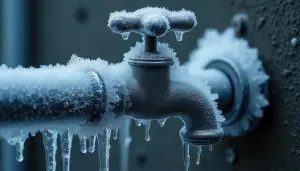
Temperatures are dropping and snow has been falling since December. If you haven’t fully winterized your home yet, it’s not too late. Proper winterization helps prevent costly repairs, lowers energy bills, and keeps your home comfortable during cold weather. It can also be helpful if you’re preparing a home for sale or considering a move later in the season.
At MVM Moving & Storage, we see firsthand how a well-prepared home holds up better during winter. Whether someone is staying put or planning ahead for a potential move. Below are simple, practical steps you can take to winterize your home and protect it through the colder months.
Step 1: Shut Off and Protect Outdoor Plumbing
In colder climates like the Midwest, outdoor plumbing should be your first priority. Turn off water supply lines to outdoor faucets and drain any remaining water if temperatures allow. Disconnect and store hoses indoors to prevent freezing and cracking. Frozen pipes can lead to major water damage, particularly during prolonged cold snaps or if a home is unoccupied.
Step 2: Insulate Indoor Pipes
Check for exposed pipes in basements, crawl spaces, garages, and utility rooms. Use pipe insulation to reduce the risk of freezing. During extreme cold, allow faucets to drip slightly and open cabinet doors under sinks to let warm air circulate. If you’ll be away from home for an extended period, keep the thermostat set to at least 55°F.
Step 3: Prepare Your Heating System
Replace furnace filters and consider a professional inspection to ensure your heating system is running efficiently. A reliable heating system keeps your home comfortable and helps protect furniture, electronics, and other belongings from temperature-related damage.
Step 4: Seal Drafts and Improve Insulation
Check windows and doors for drafts and seal gaps with weather stripping or caulk. Adding window insulation film or heavier curtains can help keep warm air inside and reduce heating costs. These small improvements can make a noticeable difference during colder months.
Step 5: Inspect the Roof and Clean Gutters
Look for damaged or missing shingles and clean out gutters so melting snow can drain properly. This helps prevent ice dams, leaks, and water damage that can cause expensive repairs if left unaddressed.
Step 6: Prepare for Winter Conditions
Keep walkways, driveways, and entryways clear of snow and ice, and use salt or sand to prevent slipping. These steps improve safety for residents, guests, and—if needed—service professionals such as movers or contractors.
Winterizing Protects Your Home All Season Long
Taking the time to winterize your home now helps protect your property, reduce stress, and avoid unexpected repairs throughout the winter. And if a move does become part of your plans, MVM Moving is here to help make the process as smooth as possible no matter the season.
Moving Guides
Moving with Seniors
Making sure that your loved ones are taken care of is always at the top of the list, especially if they are older. When the time comes that a parent, relative, or friend must move from their home to a place where they can be cared for because of their advanced age or declining health, there are a lot of tough decisions...
Learn More
Moving with Pets
Whether your favorite animal has fur, feathers, fins, or fangs, figuring out the best way to transport your pet should be at the top of your moving checklist. Just as moving can be stressful for humans, it can also take a toll on your furry friends. New surroundings, strange people, the motion of being transported, and overall chaotic circumstances are not going...
Learn More
Moving Checklist
Moving to a new home is not a one-day event. Although the trucks may be loaded and unloaded in the course of a day, planning for a move begins long before moving day, and you may feel overwhelmed with all the logistics. After all, there is far more involved than transferring your belongings from one place to another. If you need additional...
Learn MoreFree, no obligation estimates for moving and storage
Our moving quotes are carefully customized to your unique moving needs and ensure the highest level of accuracy, and our relocation team has over 100 years of combined moving experience.
Locations in Ohio, Indiana, and Florida